
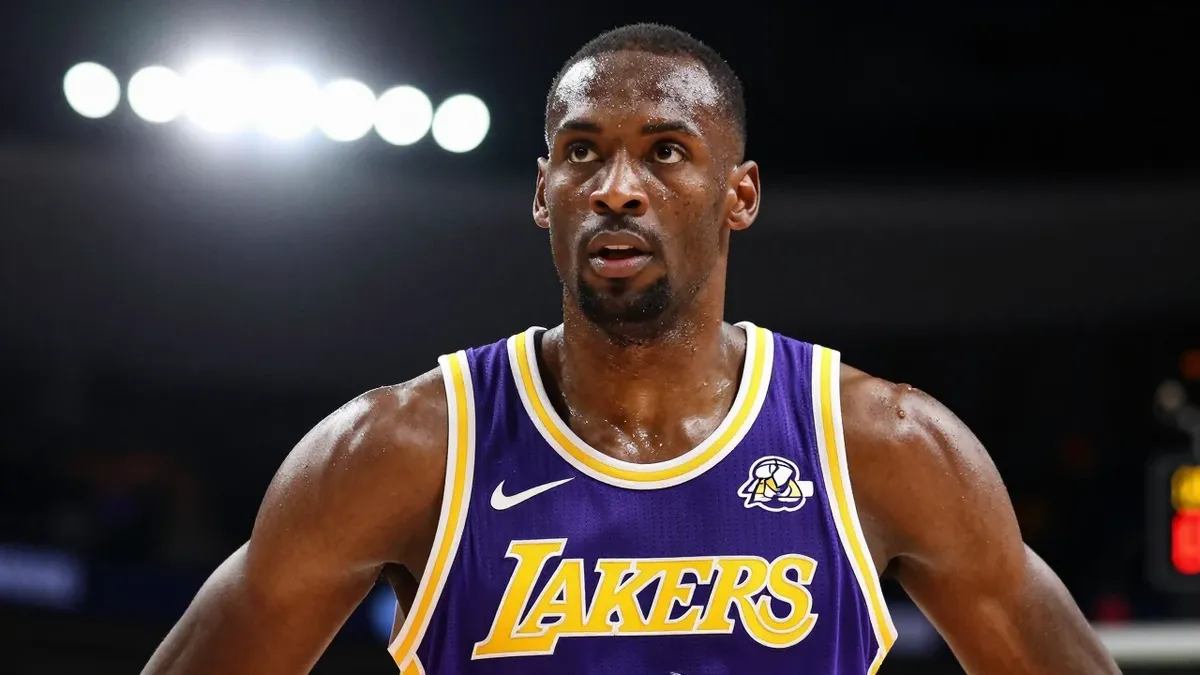
Los Angeles Lakers have just been valued at a staggering $12.5 billion, the highest price ever recorded for an NBA franchise and a clear sign that the league’s financial engine is roaring. This figure eclipses the Celtics’ $6.1 billion sale in 2025 and underscores a 25‑year boom that began when the Boston Celtics fetched $360 million in 2002.
How did the Lakers reach $12.5 billion?
The surge stems from massive media deals, global branding, and a relentless stream of high‑profile talent. LeBron James continues to drive TV ratings, while the franchise’s partnership with Nike and a new arena‑naming rights agreement added billions in projected revenue. The NBA’s collective bargaining agreement also lifted salary caps, inflating franchise valuations across the board.
What does this mean for the Lakers on the court?
Financial muscle doesn’t automatically translate to wins. The stretch reflects defensive lapses and a need for better perimeter shooting. Coach Darvin Ham has emphasized a pick‑and‑roll revival, but the team’s FG% sits below league average, and turnovers have spiked.
Why should fans care about franchise value?
A higher valuation can fund upgrades to the roster, improve training facilities, and attract top‑tier free agents. It also boosts the franchise’s leverage in future media negotiations, potentially expanding the global fan base. However, the pressure to convert financial success into playoff contention grows, especially with rivals like the Golden State Warriors and Boston Celtics already boasting elite rosters.
What’s next for Los Angeles Lakers?
The front office is reportedly exploring a trade for a sharpshooting wing to address the three‑point drought, while LeBron James remains focused on maintaining his scoring average above 25 points per game.
How does this fit into the NBA’s broader growth?
Since 2002, NBA franchise values have multiplied by more than 30‑times, driven by international broadcasting deals and a surge in merchandise sales. The Lakers’ $12.5 billion tag sits at the apex of this trend, illustrating how the league’s expansion into Asia and Europe continues to reshape the economics of professional basketball.