The Los Angeles Lakers decided against a trade for veteran sharpshooter Buddy Hield this offseason, choosing to preserve roster flexibility and draft assets instead.
Los Angeles had the option to make a consolidation trade, sending out two players to acquire Hield in a '2-for-1 move.' Sources indicate the front office explored this path but ultimately walked away. While the exact reasoning wasn't detailed, the likely need to include a second-round pick to make the salaries work was a significant factor. The Lakers have been active in reshaping their roster around Luka Doncic and Austin Reaves, adding players like Walker Kessler, Collin Sexton, and Matisse Thybulle. Acquiring Hield would have given them a proven perimeter threat but at a cost they weren't willing to pay.
Buddy Hield is one of the NBA's most prolific three-point shooters, a skill that would have directly addressed a need for Los Angeles. His ability to stretch the floor could have created valuable spacing for Doncic to operate, especially following LeBron James' departure. The Lakers' offense now runs through Doncic, and surrounding him with shooters is a clear priority. Hield's career numbers from beyond the arc are impressive, but the team calculated that other additions could fill that role without sacrificing future flexibility.
The decision on Hield highlights the Lakers' broader approach this summer. They are balancing immediate upgrades with the need to retain draft capital and maintain roster optionality. Instead of one high-profile consolidation, they've spread their resources across multiple signings to add depth, defense, and shooting in different packages. This strategy suggests a focus on building a versatile team capable of adapting through a long NBA season.
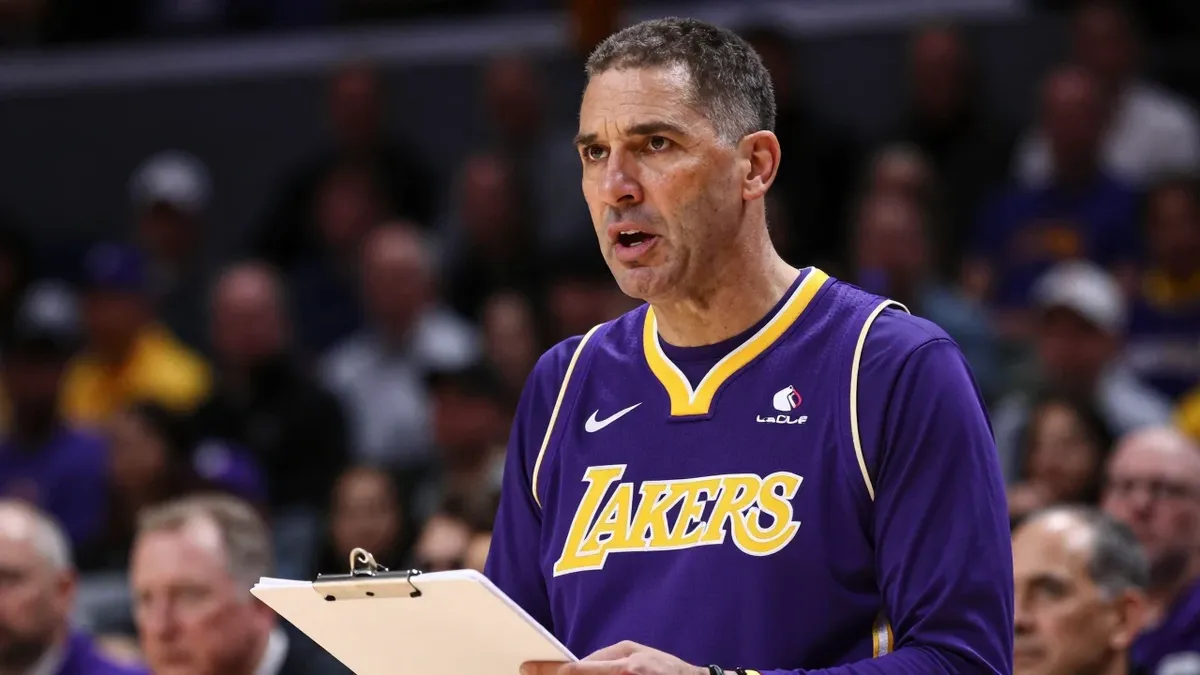
With training camp underway, the Lakers' roster appears largely set. The focus now shifts to integrating new pieces like Quentin Grimes and Kevon Looney into the rotation. Coach JJ Redick will need to establish roles and chemistry quickly. The team's playoff series against Houston, which they won 4-2, demonstrated their resilience. Maintaining that defensive intensity will be essential. The front office's patient approach with the Hield opportunity indicates they believe in this current group's potential to compete.