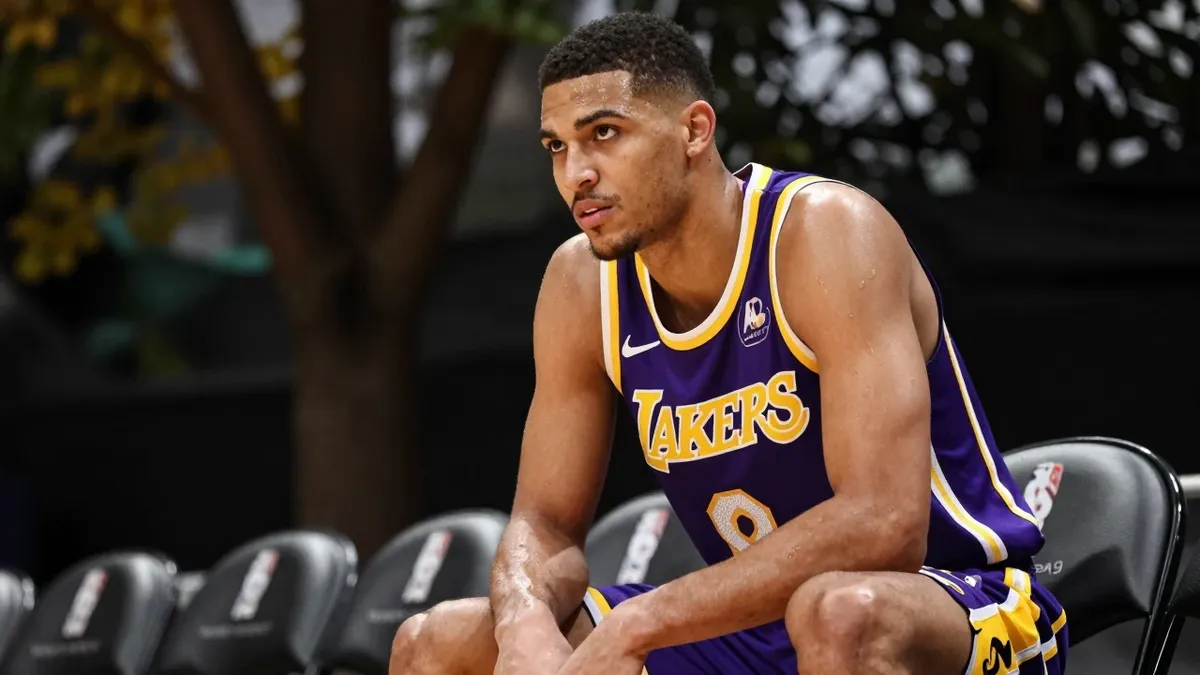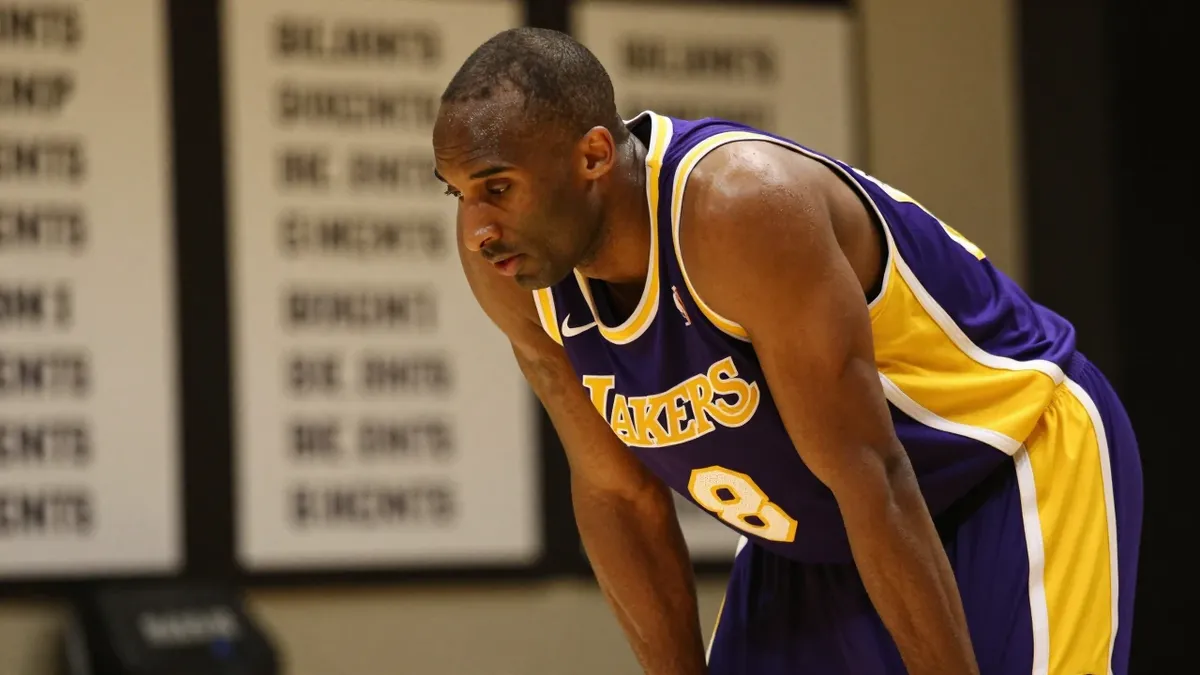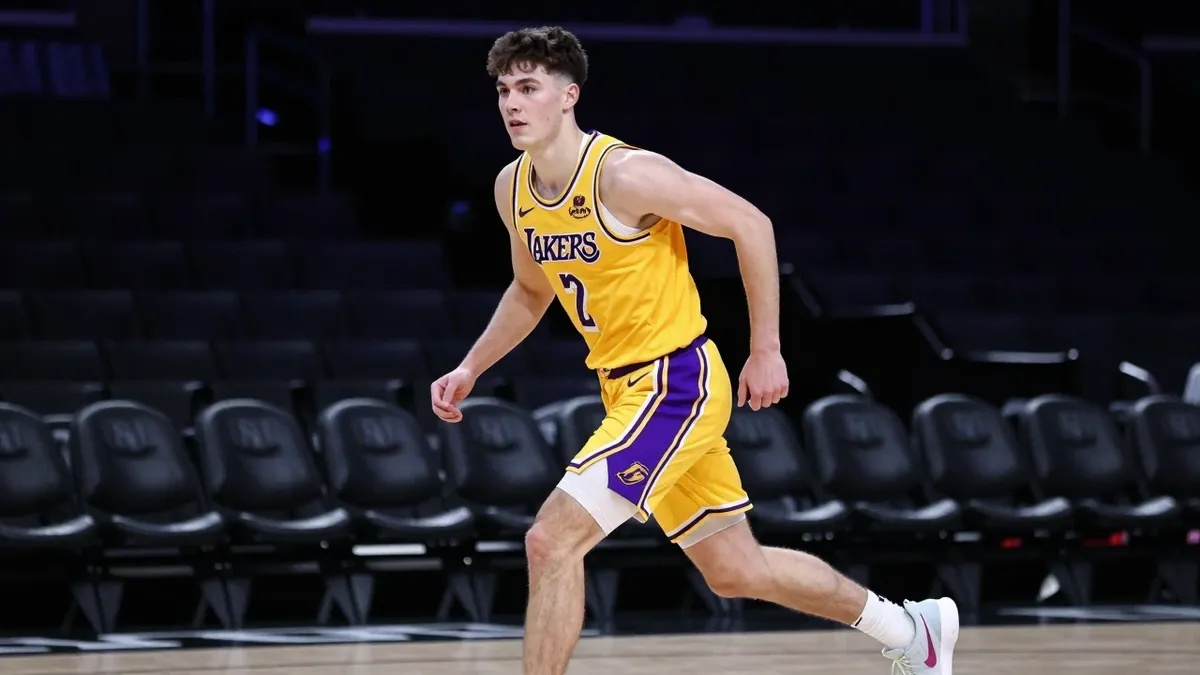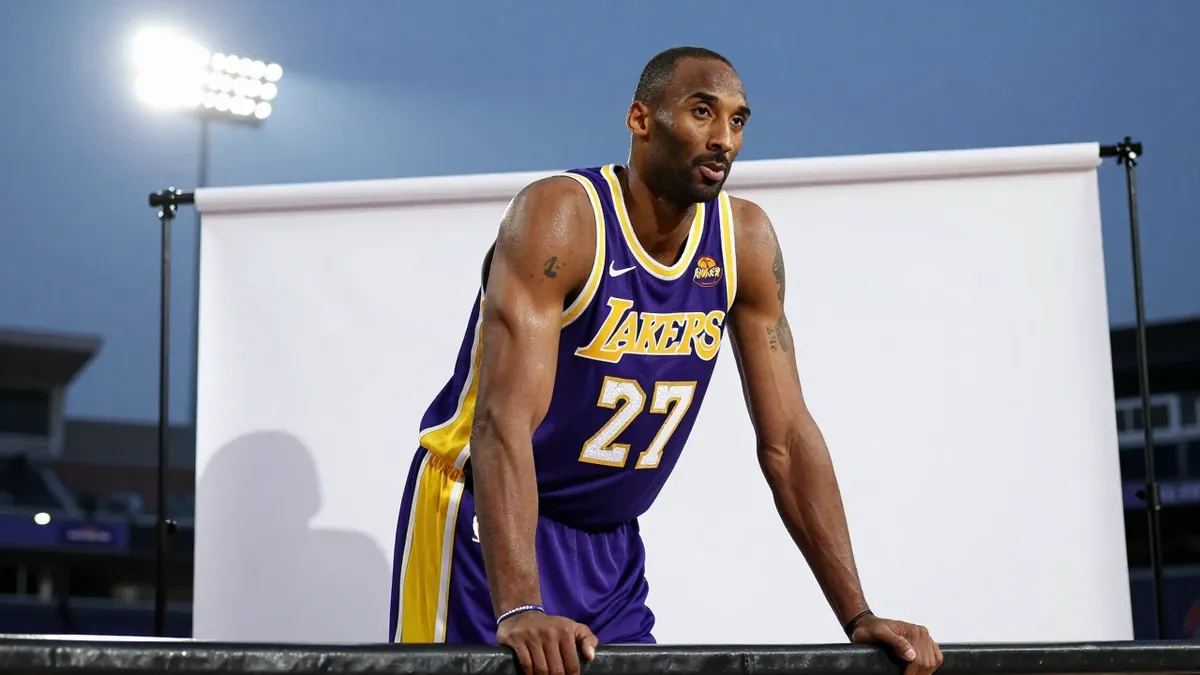
The Los Angeles Lakers have undergone a complete roster transformation this offseason, moving forward without LeBron James after their playoff exit. The front office decided a major change was necessary following a second-round sweep.
What changes did the Lakers make this offseason?
The Lakers allowed LeBron James to enter free agency, a massive shift for the franchise. They also let most of their other key free agents walk, including Deandre Ayton, Marcus Smart, Rui Hachimura, Luke Kennard, and Jaxson Hayes. Their single biggest retention was Austin Reaves, who they re-signed to a four-year, $180 million contract. This signaled a clear intent to build around Reaves as a core piece.
To replace the lost production, the Lakers were aggressive. Their headline move was a sign-and-trade with the Utah Jazz for center Walker Kessler, directly addressing a years-long weakness in the paint. They bolstered their backcourt by adding Colin Sexton, a defensive-minded playmaker, and Quentin Grimes, an elite scorer from the Philadelphia 76ers. These additions give LA significant depth at point guard.
How does the new roster look?
The team didn't try to find one player to replace LeBron James. Instead, they spread the responsibility across multiple new forwards. They brought in Matisse Thybulle for perimeter defense, Kevon Looney for his elite rebounding, and Sandro Mamukelashvili, who averaged 11 points per game for Toronto last season.
Their draft was also successful. They selected lengthy forward Cameron Carr from Baylor, considered one of the biggest steals of the draft. Carr is an elite scorer and shot-blocker who could contribute immediately. You can track the progress of all new players on the official team roster page.
Overall, the Lakers had what can be described as a phenomenal offseason. They dominated free agency and made a savvy draft pick, completely reshaping the team's identity. The goal is clearly to build a deeper, more balanced roster rather than relying on superstar talent.
What is the outlook for the Lakers now?
The playoff sweep highlighted clear roster issues that this offseason was designed to fix.
With Walker Kessler anchoring the defense and Colin Sexton pushing the pace, the Lakers hope to play a faster, more defensive-oriented style. Austin Reaves will likely see his usage rate and scoring average increase as the primary offensive option. The success of this new group hinges on how quickly the many new pieces can develop chemistry.
Fans shouldn't be surprised if the Lakers look like a completely different team this coming season. The front office has bet on youth, depth, and defensive versatility over established superstar power. It's a bold strategy following the LeBron James era, and its results will define the franchise's next chapter. Check the latest team performance and stats as the new season gets underway.